

Tang, Yun Sang

Division of Public Health Laboratory Sciences
- BSc(Hons) (HKU), MSc (CUHK), PhD (CUHK)
 |
3917 6349 |
 |
samtys08@hku.hk |
 |
PubMed |
 |
ORCID: Tang, Yun Sang |
Biography
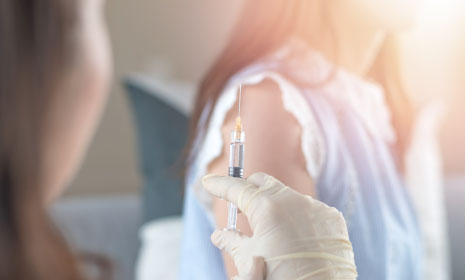
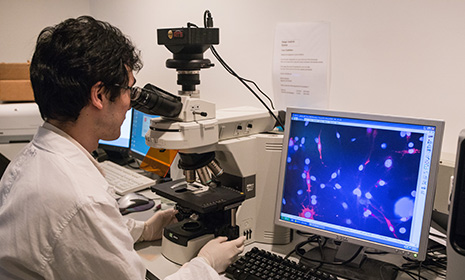
Dr Tang Yun-sang holds a PhD in Biochemistry from the Chinese University of Hong Kong, and received postdoctoral training at the Jockey Club School of Public Health and Primary Care of the same University. Dr Tang has a long-term research focus on respiratory viruses, including the influenza viruses and coronaviruses. He is interested in the development of novel vaccines, therapeutic antibodies and antivirals against these viruses. In addition, he seeks to understand the effectiveness and reactogenicity of existing vaccines using both experimental and clinical approaches. He is also interested in basic molecular and structural virology, especially the structure and function of the transcription and replication machinery of the influenza viruses. Dr Tang joined the School of Public Health of the University of Hong Kong in 2026, where he will develop novel therapeutics against the Nipah virus, a zoonotic virus from fruit bats that can cause up to 75% fatality in human.
Selected Publications
- Tang YS, Chen C, Lv H, Sun Y, Tan CW, Yiu K, Ling KC, Chan KKP, Mok CCP, Hui DSC (2026) Robust cross-neutralizing antibody responses but variable cellular immunity following either Comirnaty and Spikevax JN.1-adapted mRNA vaccination in the elderly. Vaccine 83: 128634.
- Zhang C*, Tang YS*, Liu Z*, Mok CKP, Shaw PC, Hu C (2026) Discovery of imidazo[1,2-a]pyridine derivatives as potent anti-influenza agents: SPR affinity-based screening and structure-function relationship study. European Journal of Medicinal Chemistry 303:118399. (*co-first authors)
- Ali MS*, Tang YS*, Lee HHY, Baker SC, Mok CKP (2025) ISG-15, Beyond its Functions in the Cell: A Mini Review. Cellular and Molecular Life Sciences 82(1):289. (* co-first authors)
- Tang YS*, Zhang C*, Xu J*, H Zhang, Jin Z, Xiao MJ, Yiliyaer N, Huang EF, Zhao X, Hu C, Shaw PC (2025) Design, synthesis and biological evaluation of a novel class of indazole-containing compounds with potent anti-influenza activities targeting the PA-PB1 interface. Acta Pharmaceutica Sinica B 15(6): 3163-3180. (* co-first authors)
- Mok CKP*, Tang YS*, Tan CW, Chong KC, Chen C, Sun Y, Yiu K, Ling KC, Chan KKP, Hui DSC (2025) Comparison of safety and immunogenicity in the elderly after receiving either Comirnaty or Spikevax monovalent XBB1.5 COVID-19 vaccine. Journal of Infection 90(1):106374. (*co-first authors)
- Tang YS, Tan CW, Chong KC, Chen C, Sun Y, Yiu K, Ling KC, Chan KKP, Peiris M, Mok CKP, Hui DSC (2024) Determination of T cell response against XBB variants in adults who received either monovalent wild type inactivated whole virus or mRNA vaccine or bivalent WT/BA.4-5 COVID-10 mRNA vaccine as the additional booster dose. International Journal of Infectious Diseases 149: 107271.
- Tang YS*, Zhang C*, Lo CY, Jin Z, Kong BLH, Xiao MJ, Huang E, Hu C and Shaw PC (2023) Anti-influenza virus activities and mechanism of antrafenine analogs. European Journal of Medicinal Chemistry 260: 115775. (* co-first authors)
- Tang YS, So WK, Ng AKL, Mok CKP and Shaw PC (2022) Interaction of influenza A NP with host hnRNP-C is implicated in viral replication. Int. J. Mol. Sci. 23(21): 13613.
- Tang YS, Xu S, Chen YW, Wang JH and Shaw PC (2021) Crystal structures of influenza nucleoprotein complexed with nucleic acid provide insights into mechanism of RNA interaction. Nucleic Acids Res. 49(7): 4144-4154.
- Tang YS, Lo CY, Mok CKP, Chan PKS and Shaw PC (2019) The extended C-terminal region of influenza C nucleoprotein is important for nuclear import and RNP activity. J Virol. 93(9) e02048-18.




.png)
