 |
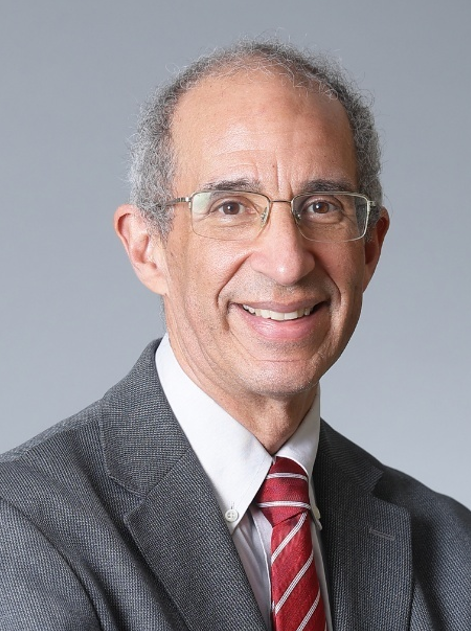
Prof J. Lloyd Michener
Professor Emeritus in Family Medicine and Community Health, Duke University School of Medicine
Professor J. Lloyd Michener, MD is a family physician who works to improve health for all by linking communities, health care and public health. A graduate of Harvard Medical School and residency training and fellowship training in Family Medicine at Duke, he went on to found the Duke division of Community Health, the Duke Center for Community Research, and served as Chair of the Department of Community and Family Medicine for more than twenty years, co-designing and managing community health programs across Durham and surrounding counties. He now serves as Emeritus Professor of Family Medicine and Community Health, Duke School of Medicine, and Adjunct Professor, Public Health Leadership, UNC School of Public Health.
Professor Michener has served in multiple state, national, and international roles. Early in his career, he was part of design team for the launch of the NC medical home and later chaired the Board of the (NC) Foundation for Health Leadership and Innovation as it partnered with NC DHHS and over 3,000 community organisations to design and launch a system linking over 100,000 North Carolinians with community services. He was founding Co-Chair of the Community Engagement Steering Committee for the NIH Clinical and Translational Science Awards, served on the NIH Council for Complementary and Integrative Health, and the NIH/CDC/ATSDR Workgroup for the Principles of Community Engagement. He was a member of the National Institute of Medicine Committee on Integrating Primary Care and Public Health, and the National Academy of Medicine Workgroup on Assessing Meaningful Community Engagement. Internationally, he founded the Duke-Salzburg Seminars in Family Medicine of the American Austrian Foundation, providing training to over 1,000 clinicians across Eastern Europe, and has served as an advisor on primary care to several governments, including Canada, Australia, Taiwan and Singapore. He now serves as an editor of the Journal of Clinical and Translational Science, and leads the Practical Playbook, which has gathered and shared methods for effective multisector partnerships for health across diverse US communities.
|
 |
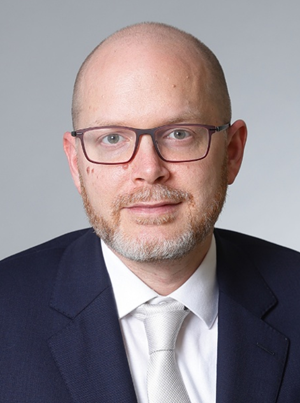
Professor David Bishai
Director and Clinical Professor, School of Public Health, The University of Hong Kong
Professor David Bishai is Clinical Professor in Public Health and Director of the School of Public Health, The University of Hong Kong (HKU).
Professor Bishai’s research focuses on the performance and financing of global public health activities, comprehensive primary healthcare, vaccines, and health disparities. He is the author of three books and more than 270 peer-reviewed scientific publications. His award-winning courses on systems thinking and health economics have reached over 60,000 students. He is a Past President of the International Health Economics Association, and the 2021 winner of the Sharmanov Prize in Primary Health Care.
Professor Bishai maintains certification by both the American Board of Internal Medicine and the American Board of Pediatrics. He received his Bachelor of Arts from Harvard in Philosophy and Physics, his Masters in Public Health from the University of California at Los Angeles, his Medical Doctorate from the University of California at San Diego, and his Doctor of Philosophy from the Wharton Business School at the University of Pennsylvania.
|
 |
Dr Andrew Park
Lecturer and BASc(GHD) Placement Coordinator, School of Public Health, The University of Hong Kong
Dr Andrew Thomas Park is a Lecturer in the University of Hong Kong’s School of Public Health and coordinator of the BASc Global Health and Development Programme’s field placement programme. His research and teaching interests include the history of international relations, multilateral organisations, and contemporary global health governance.
|







.png)
